Activities
Welcome to Nyborg – Denmark's Historic Cycling Destination
Located at the heart of Denmark, where the islands of Funen and Zealand meet across the Great Belt, Nyborg offers the perfect setting for an unforgettable GFNY experience. Valdemar the Great and his successor Valdemar the Victorious constructed strategic fortifications on Sprogø, in Korsør and in Nyborg in the 12th and 13th centuries to secure the Great Belt strait, the vital east-west transport route in the Danish kingdom. 800 years later, the Great Belt is still the most vital transportation route in Denmark.
Nyborg has played an important role throughout Denmark’s history. In the center of Nyborg lies the Nyborg Castle, where Denmark's first constitution was signed in 1282. In 1525, Nyborg Castle was designated as the country's first royal residence. Today, the cobblestone streets, medieval ramparts, and preserved merchant houses provide a charming look at history. Everything is within easy walking distance, creating an intimate and relaxed destination where riders, supporters and locals come together throughout race weekend.
Nyborg is a premier leisure destination. The coastal town has a modern marina with over 550 moorings, beautiful beaches and spectacular coastal scenery. Quiet country roads, rolling landscapes and excellent infrastructure make the region ideal for both competitive racing and recreational riding. August is an ideal time to visit, with outdoor festivals and fairs, late-summer temperatures and over 15 hours of daylight.
Whether you're travelling to compete, explore or simply enjoy Danish hospitality, Nyborg offers the perfect blend of history, nature and world-class cycling.
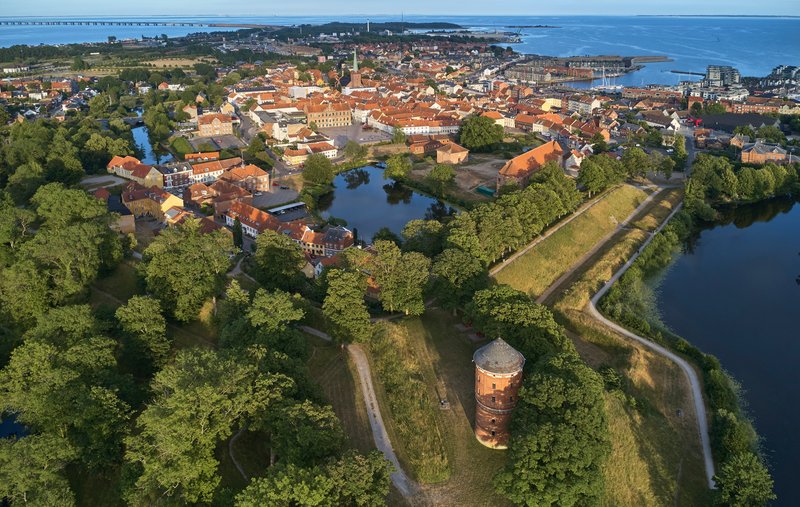
Sightseeing and shopping Nyborg by foot
The network of streets in the heart of Nyborg reveals that the town was once a royal fortress town during the Middle Ages. In the streets you will find 19th century renaissance buildings, rounded cobblestones, a moat and shops.
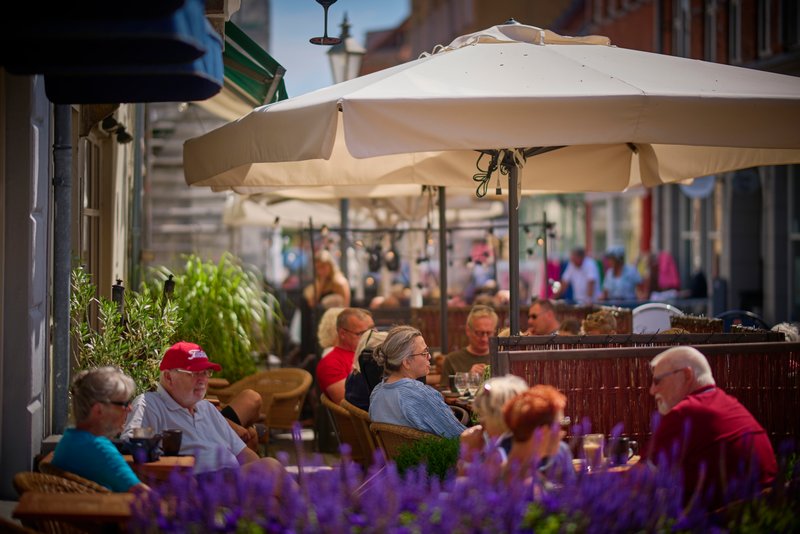
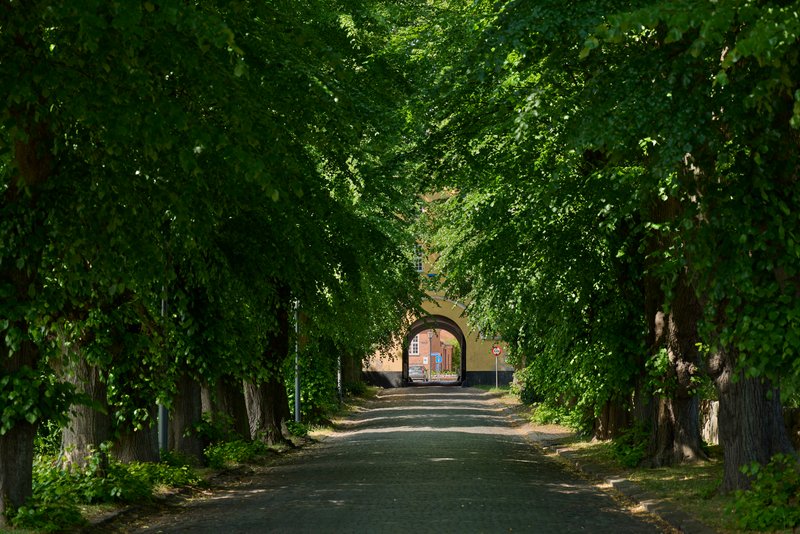
Castles and Manors
There are a total of 123 castles and manors located in Eastern Fyn around Nyborg. Visit a few selected castles on an exclusive tour and learn their interesting history. Today, almost all of them are privately owned, and only a few can be visited by guests.
- Nyborg Castle and Ramparts (The Ramparts are publicly accessible - the castle will open in 2027 after restoration)
- Holckenhavn Castle (By appointment for events - the park is generally open during daylight hours)
- Glorup Manor (the park is open during daylight hours)
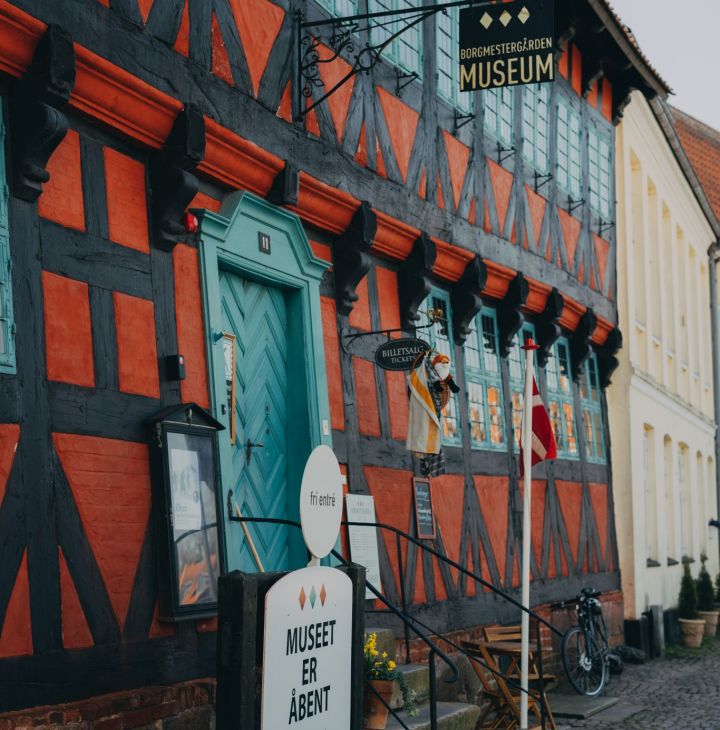
Borgmestergården Museum
The half-timbered building is a prime example of a merchant house from the Renaissance. The house was built in 1601 and today holds an exhibit with furniture from the 15th and 16th centuries, tools from different artisans, toys, a watchmaker's and a house painter's workshops, a room furnished in peasant style, a veterinary chemist's, school room, collection of weapons, and more.
Ancient Monuments
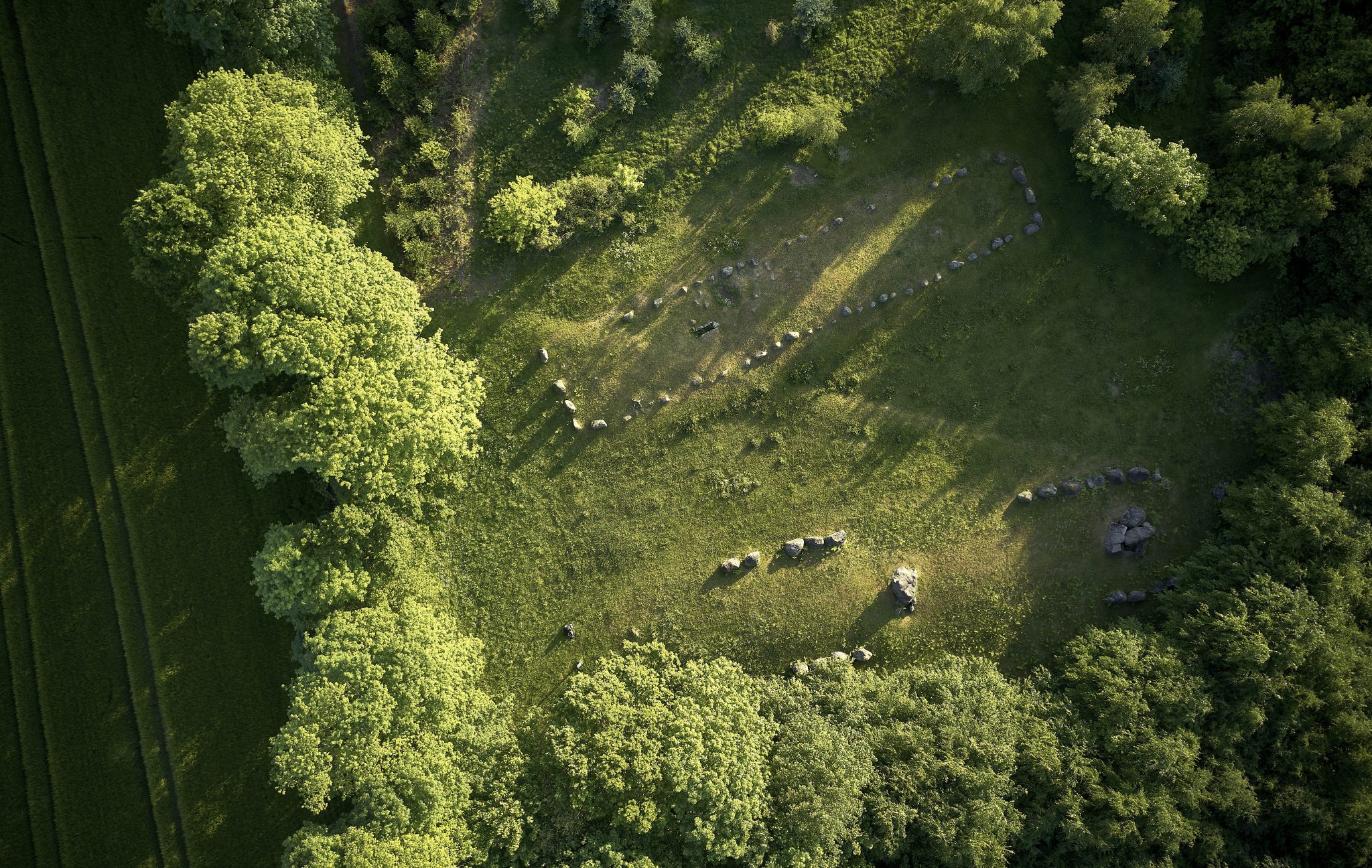
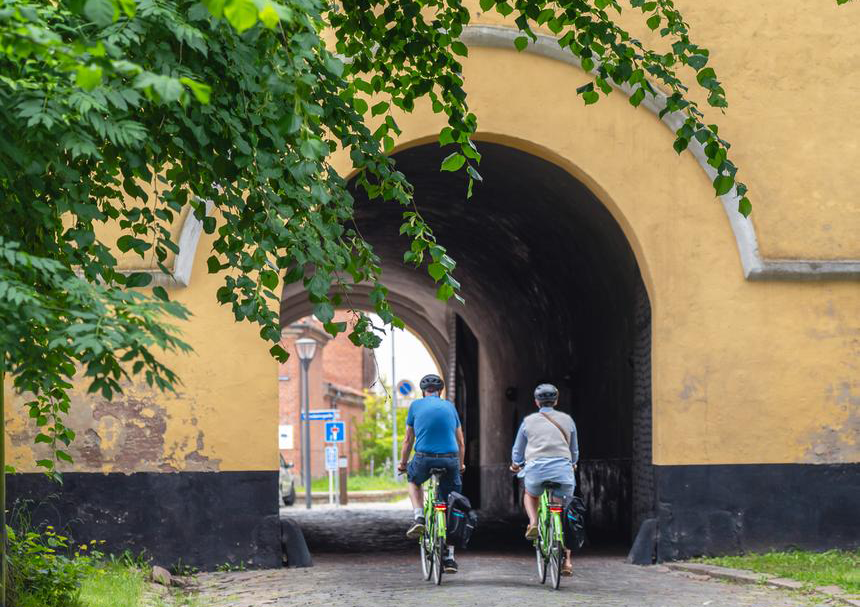
With over 800 years of history, Nyborg offers many preserved sites, like the Town Gate of Nyborg, Dyrehave Mill, the Water Tower, and Dolmens of Lindeskov, a prehistoric monument.
Sponsors

Supporters